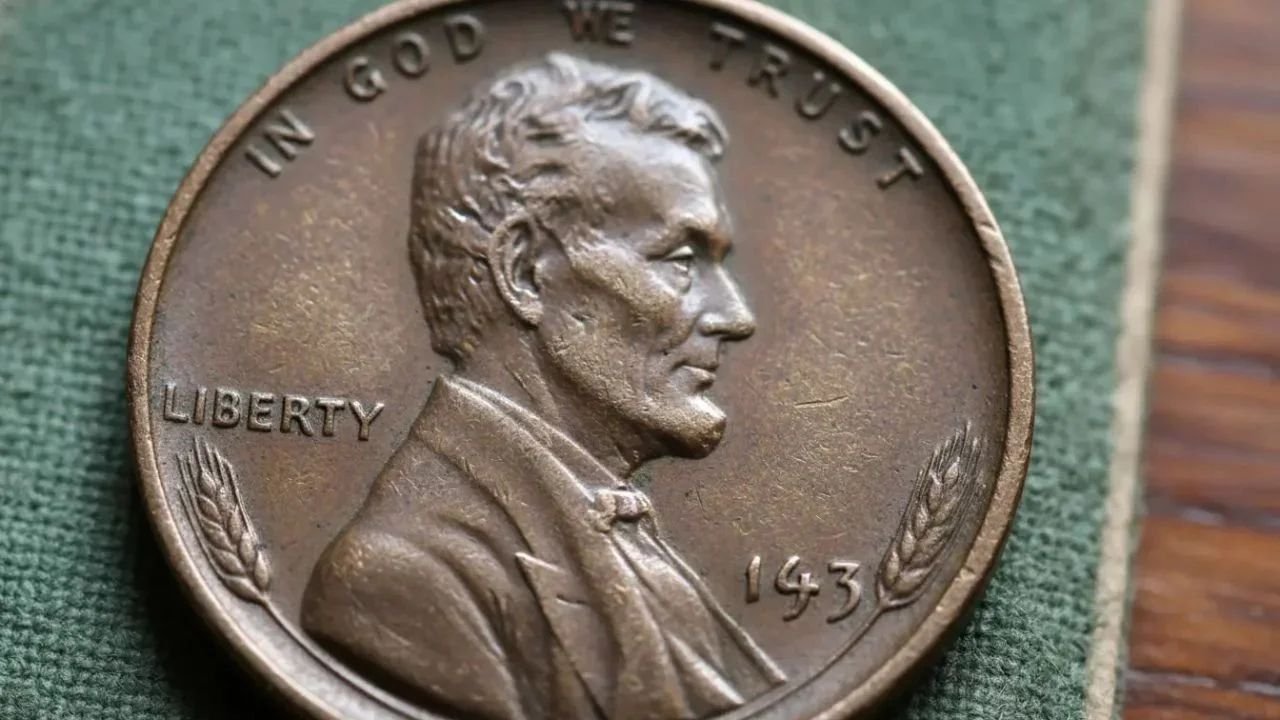
Not every Lincoln Wheat Penny is destined to remain a one-cent coin. A small group of rare dates, unusual minting mistakes, and exceptionally preserved examples have reached prices near $90,000 at auction. These results are driven by verifiable scarcity, historical context, and sustained collector demand, not speculation or hype.
For anyone sorting through old change, inherited coin jars, or forgotten rolls, understanding what separates an ordinary wheat penny from a high-value specimen is essential. With the right knowledge and a careful approach, hidden value can still be uncovered.
Why Some Lincoln Wheat Pennies Are Worth So Much
The Lincoln Wheat Penny series ran from 1909 to 1958 and produced billions of coins. Despite that massive output, certain pennies became rare due to limited mintages, wartime metal changes, and minting errors that slipped through quality control.
High auction prices typically come from three categories:
Extremely rare minting errors
Low-mintage key dates in high grade
Famous varieties with strong, long-term collector demand
When rarity is paired with excellent preservation and confirmed authenticity, values can climb rapidly.
How to Identify a Valuable Lincoln Wheat Penny
Careful inspection is the foundation of successful coin hunting. Always examine wheat pennies under strong lighting using a 5x to 10x magnifier. Pay close attention to the date, mintmark, color, and surface detail.
Avoid rushing. Many valuable pennies appear ordinary at first glance and only reveal their importance after close examination.
Key Details to Examine First
Check the date and mintmark below the year
Inspect lettering and numbers for doubling or unusual thickness
Observe the coin’s color and metal appearance
Weigh the coin if something feels off
Document anything unusual before drawing conclusions.
Key Years and Famous Varieties to Watch For
Some Lincoln Wheat Pennies are consistently among the most valuable and deserve special attention.
1909 VDB and 1909-S VDB
The first Lincoln cents featured the designer’s initials “VDB” on the reverse. Public reaction led to their removal, making these early issues scarce. The San Francisco version is especially valuable and highly sought after.
1943 Bronze (Copper) Cent
In 1943, pennies were meant to be struck in steel due to wartime copper shortages. A very small number were accidentally struck on leftover bronze planchets. These are among the most valuable U.S. cents ever discovered and can reach six-figure prices in top condition.
1955 Doubled Die Obverse
This famous variety shows dramatic doubling on the date and inscriptions. It is one of the most recognized doubled dies in American coinage and commands strong prices even in circulated condition.
Other Scarce Errors and Low-Mintage Issues
Smaller doubled dies, repunched mintmarks, wrong-planchet strikes, and off-metal errors can also command high premiums when authenticated and well preserved.
Physical Features and Mintmarks That Signal Value
Knowing which physical traits matter can save time and prevent costly mistakes.
Date and Mintmark
Mintmarks appear below the date:
D for Denver
S for San Francisco
No mintmark for Philadelphia
Some date-mintmark combinations are dramatically rarer than others and carry far higher values.
Metal and Color
Steel cents from 1943 appear silver-gray
Bronze or copper cents show brown or red tones
Unexpected color for a specific year is a major red flag worth investigating
Doubling and Die Errors
True doubled dies show raised, rounded duplication. Flat or shelf-like doubling is usually machine doubling and has little value.
Planchet Errors
Wrong-metal strikes, clipped planchets, and die cracks are legitimate mint errors and can dramatically increase value when genuine.
Where High-Value Wheat Pennies Are Still Found
Although rare, valuable Lincoln Wheat Pennies still surface today, often from overlooked sources rather than daily pocket change.
Common Discovery Sources
Unsearched bank rolls
Old family coin jars
Estate sale change
Inherited collections
Mixed flea-market coin lots
Most discoveries come from coins that were saved long ago and forgotten.
Practical Steps to Search More Effectively
A structured approach improves results.
Request unsorted penny rolls from banks
Sort coins by date before inspecting details
Use consistent lighting and magnification
Keep notes or a simple log of findings
Consistency and patience matter more than luck.
What to Do If You Think You Found a $90K Wheat Penny
If you suspect a coin may be valuable, stop handling it casually.
Immediate Protection Steps
Hold the coin only by the edges
Place it in a non-PVC holder or flip
Do not clean, polish, or wipe the surface
Even light cleaning can permanently destroy value.
Documentation and Verification
Take clear, high-resolution photos of both sides
Record weight, diameter, and visible anomalies
Compare the coin to verified reference images
If the coin still appears promising, professional evaluation is essential.
Professional Grading and Authentication
Third-party grading provides credibility and market confidence. Reputable services authenticate the coin, assign a grade, and encapsulate it for protection.
High-value wheat pennies are rarely sold without professional grading. Uncertified coins often sell for far less due to buyer uncertainty.
Real-World Case Study: A Wheat Penny Discovery
A retail cashier noticed a brown penny mixed among steel cents and set it aside instead of spending it. After consulting experienced collectors, the coin was professionally authenticated as a genuine bronze error.
The coin later sold for a substantial five-figure sum, proving that awareness, patience, and proper verification can turn an ordinary moment into a remarkable discovery.
Selling a High-Value Lincoln Wheat Penny
Selling strategy matters when significant money is involved.
Seek multiple expert opinions
Use reputable auction houses or established dealers
Preserve all grading and documentation records
Well-documented coins consistently outperform rushed private sales.
Common Mistakes That Destroy Value
Cleaning or polishing the coin
Using chemicals or abrasives
Selling before authentication
Accepting the first offer without comparison
Avoiding these mistakes can preserve tens of thousands of dollars.
Final Thoughts
Finding a Lincoln Wheat Penny worth $90,000 is rare, but it is not impossible. Knowledge, careful inspection, patience, and professional verification are the keys. Many of today’s most valuable coins were once overlooked as ordinary change.
With the right approach, even a simple penny can become a powerful financial and historical discovery.