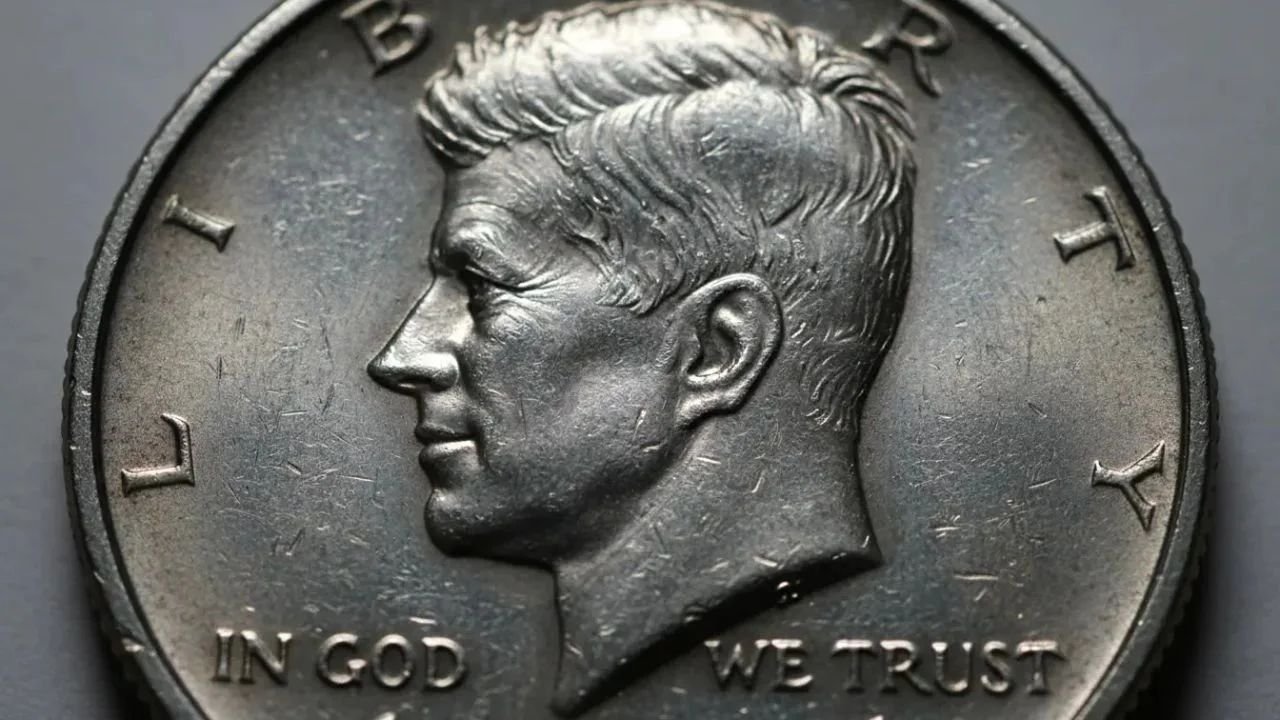
The Kennedy Half Dollar has been a fixture of American coinage since 1964, admired for both its historical significance and refined design. While most examples trade at modest premiums tied to silver content or condition, a tiny number of extraordinary Kennedy Half Dollars have reached legendary status among elite collectors. Stories of values approaching $9.8 million are not about ordinary coins found in daily change. They involve an exceptional combination of rarity, pristine preservation, unique minting characteristics, and verified provenance.
This guide explains how serious collectors evaluate Kennedy Half Dollars at the highest level, from essential physical checks to professional authentication, helping you determine whether a coin deserves casual interest or immediate expert review.
Start With the Fundamentals Before Chasing Rarity

Many coins are incorrectly labeled as rare simply because basic verification steps are skipped. Before examining errors or varieties, confirm that the coin meets official specifications.
Diameter and Shape
A genuine Kennedy Half Dollar has a diameter of 30.6 millimeters. Use digital calipers rather than visual estimates. Even minor deviations can signal damage, alteration, or a non-standard planchet. The coin should be perfectly round, with uniform thickness and no warping.
Weight Verification
Weight is one of the most reliable indicators of authenticity and composition.
1964 Kennedy Half Dollars weigh approximately 12.5 grams and are struck in 90 percent silver.
Coins dated 1965 through 1970 contain 40 percent silver and also weigh about 12.5 grams due to their layered construction.
Later copper-nickel clad issues maintain the same target weight, making precision measurement essential.
A digital scale accurate to 0.01 grams is strongly recommended. Any unexplained variance should be investigated further.
Edge and Metal Composition
All Kennedy Half Dollars feature a reeded edge. Compare the edge with a confirmed authentic example. Irregular reeding, smooth edges, or visible seams are immediate warning signs. Metal composition matters just as much as appearance. A coin that looks silver but fails weight or density checks should be treated cautiously.
Why Baseline Checks Matter
Millions of Kennedy Half Dollars exist, but only a microscopic fraction qualify for elite collector status. Verifying size, weight, and composition quickly eliminates common examples and allows you to focus on coins that may justify advanced inspection or professional certification.
High-Value Features That Separate Legendary Coins
Once the fundamentals are confirmed, collectors look for specific characteristics that elevate a Kennedy Half Dollar into the realm of exceptional value.
Date and Mint Mark Irregularities
Unusual date characteristics are a major driver of premium value. Look for doubled numerals, misaligned digits, or oddly shaped dates. Mint marks deserve equal scrutiny. Repunched mint marks, where a letter appears doubled or slightly shifted, are scarce and highly collectible when genuine.
Doubled Die Errors
True doubled die varieties are among the most valuable errors in U.S. coinage. These result from misalignment during die creation, not from wear or striking anomalies. Look for clear, raised doubling on design elements such as the lettering of “IN GOD WE TRUST,” “LIBERTY,” or details in Kennedy’s hair. The doubling should be crisp and rounded, never flat or smeared.
Proof and Deep Cameo Finishes
Some Kennedy Half Dollars were struck as proofs using specially prepared dies and planchets. These coins feature mirror-like fields and frosted devices. Deep cameo contrast, where the devices appear heavily frosted against dark reflective fields, significantly increases desirability. High-grade proof coins with strong cameo contrast and minimal imperfections are among the most valuable in the series.
Planchet and Strike Errors
Errors that occur before or during striking can dramatically increase value. Examples include off-metal strikes, clipped planchets, broadstrikes, and lamination flaws. The most valuable error coins display bold, easily identifiable characteristics and are supported by professional documentation.
Essential Tools for Serious Evaluation
Elite collectors rely on precision tools rather than guesswork.
A 10x loupe or stereo microscope allows close inspection of fine details and surface texture.
Digital calipers and a high-precision scale confirm physical specifications.
Authoritative reference guides and verified databases provide comparison images and technical data for known varieties.
Consistent use of these tools helps distinguish genuine rarities from damaged or altered coins.
Authentication and Professional Grading
If a Kennedy Half Dollar displays multiple promising traits, professional certification becomes essential.
Documentation and Imaging
Begin by taking high-resolution photographs of the obverse, reverse, and edge. Capture close-ups of any unusual features. Clear documentation protects you and helps experts evaluate the coin accurately.
Comparison With Verified Examples
Compare your coin with certified examples from major grading services. Matching known die markers, doubling patterns, or error characteristics strengthens your case before submission.
Third-Party Grading
Submitting the coin to a respected grading service such as PCGS or NGC is critical. These organizations authenticate the coin, assign an official grade, and encapsulate it for long-term protection. Certified coins are far more attractive to high-end collectors and auction houses.
Advanced Metal Testing
When composition is uncertain, non-destructive testing such as X-ray fluorescence analysis can confirm metal content without harming the coin. This step is optional but valuable for high-stakes pieces.
Recognizing Counterfeits and Altered Coins
The allure of multimillion-dollar coins attracts skilled counterfeiters. Knowing what to avoid is just as important as knowing what to seek.
Watch for tool marks around mint marks or lettering, unnatural surface textures, or inconsistent toning. Magnet testing can quickly identify incorrect metals, as genuine Kennedy Half Dollars are non-magnetic. Under magnification, look for evidence of plating, sanding, or chemical alteration.
A Practical Real-World Perspective
Many valuable discoveries begin quietly. Rare Kennedy Half Dollars have surfaced in inherited collections, estate sales, and mixed coin lots. What separates successful finds from disappointments is patience, methodical inspection, and a willingness to seek professional validation before drawing conclusions.
Final Checklist Before Claiming Exceptional Value
Confirm diameter, weight, edge, and metal composition.
Photograph and document every unusual feature.
Compare the coin with authoritative reference materials.
Never clean, polish, or alter the coin.
Submit promising examples to a trusted grading service.
Consult experienced numismatists or auction houses when warranted.
When Expert Guidance Is Essential
If your Kennedy Half Dollar displays multiple rare traits or appears unusually well preserved, professional guidance is invaluable. Experts can verify authenticity, assess market potential, and help determine the best path for preservation or sale.
Identifying a legendary Kennedy Half Dollar is not about luck alone. It requires discipline, knowledge, and respect for the authentication process. With careful evaluation and trusted expertise, you can confidently determine whether a coin is simply collectible or truly extraordinary.