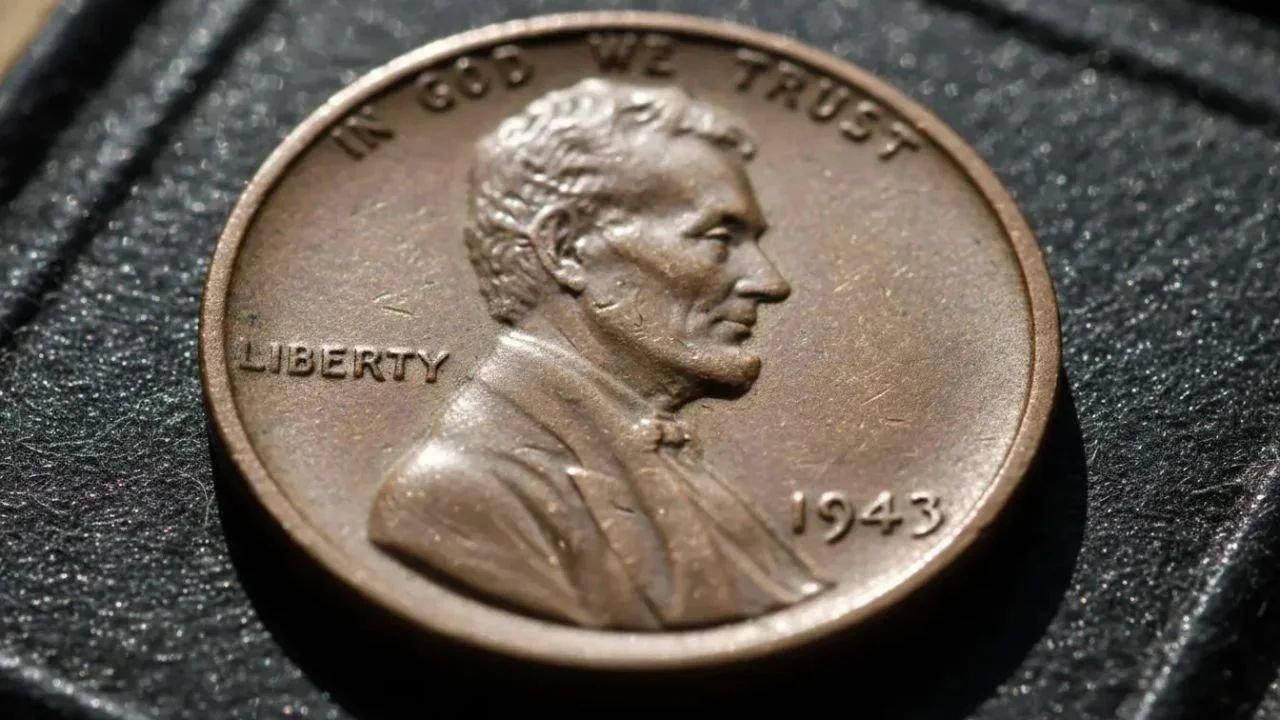
The 1995 Lincoln cent is one of the most widely discussed modern U.S. coins among collectors, and for good reason. At first glance, it appears no different from millions of other pennies still circulating today. Yet a specific doubled die variety from this year has earned a lasting reputation for strong collector demand and impressive value potential.
What makes the 1995 doubled die cent especially compelling is its accessibility. Unlike classic rarities from the early 1900s, this coin proves that valuable discoveries are not limited to antique collections or museum-grade pieces. With careful inspection and the right knowledge, a meaningful modern rarity can still be found in everyday change.
What Is the 1995 Lincoln Cent Doubled Die?
A doubled die error occurs during the creation of the coin die itself. When the hub impresses the design onto the die more than once and the impressions are slightly misaligned, duplication appears in the design. Every coin struck from that die carries the same doubling, making it a true mint error rather than accidental damage.
The 1995 Lincoln cent doubled die is well known because the doubling is bold, clean, and easy to recognize compared to many modern errors. This clarity is what separates it from minor anomalies and makes it one of the most popular doubled die cents of the late twentieth century.
Why the 1995 Doubled Die Is Important to Collectors
Modern coins rarely display dramatic, easily visible errors that survive in meaningful numbers. The 1995 doubled die cent stands out because it combines visibility, legitimacy, and long-term demand. Collectors appreciate it for several reasons.
The doubling is strong and unmistakable
It remains possible to find examples in circulation
It represents a genuine die error, not post-mint damage
It is affordable compared to classic doubled die cents
Together, these factors give the coin lasting appeal across all experience levels, from casual collectors to seasoned specialists.
How to Spot a Doubled Die on a 1995 Lincoln Cent
Correct identification requires patience and proper inspection. Many people miss valuable coins simply because they rely on the naked eye or assume all doubling is insignificant.
Tools That Make a Difference
A 10x jeweler’s loupe or quality magnifier
Strong directional lighting or an LED desk lamp
A smartphone or camera with macro capability
Reliable reference images from established numismatic sources
These tools allow you to distinguish real doubled dies from common look-alikes.
Step-by-Step Inspection Process
Begin with a general visual scan under angled lighting. Rotate the coin slowly and look for doubled outlines that appear raised rather than flat. Once something catches your attention, move to magnification.
Focus closely on these areas:
The word “LIBERTY”
The date “1995”
The motto “IN GOD WE TRUST”
On a genuine doubled die, the duplication will appear rounded and clearly separated, almost as if two impressions were intentionally placed side by side. The doubling should follow the original shape of the letters, not distort them.
Photographing the coin under side lighting often reveals depth and separation that is difficult to see otherwise. Comparing your photos to verified examples is an essential step.
Doubled Die vs. Machine Doubling
Confusing machine doubling with a true doubled die is one of the most common and costly mistakes.
Signs of a True Doubled Die
Raised, rounded secondary images
Distinct separation between impressions
Consistent duplication across multiple letters or numbers
Matching contours that mirror the original design
Signs of Machine Doubling
Flat, shelf-like edges
No added thickness to lettering
Often limited to isolated areas
Caused during striking, not die creation
If the doubling looks scraped, flat, or thin, it is almost certainly machine doubling and carries little to no collector value.
How Much Is a 1995 Doubled Die Penny Worth?
Value depends on three main factors: clarity of the doubling, overall condition, and current market demand. A standard 1995 penny without errors remains worth face value.
A genuine doubled die cent, however, changes everything. Circulated examples with clear doubling often sell for solid premiums. Coins with sharper details, minimal wear, and strong eye appeal can reach much higher levels. High-grade mint-state examples tend to attract the strongest interest, especially during periods of increased demand.
Market value should always be based on completed sales rather than asking prices, as modern error markets can fluctuate.
Why Condition and Grade Matter
Even with strong doubling, condition significantly influences value. Coins that retain original luster, clean surfaces, and minimal contact marks consistently outperform worn or damaged examples.
Cleaning a coin is one of the fastest ways to destroy its value. Even light polishing removes original surfaces and permanently reduces collector appeal. A cleaned doubled die penny may lose most of its premium, regardless of how strong the error appears.
Authentication and Professional Grading
If your coin shows bold, raised doubling and appears well preserved, professional authentication is strongly recommended.
Benefits of Professional Grading
Confirms authenticity
Assigns an official grade
Provides market credibility
Protects the coin in a secure holder
Reputable grading services also attribute recognized doubled die varieties, which adds further confidence for buyers and investors.
Common Mistakes That Reduce Value
Many potentially valuable coins lose their appeal due to avoidable errors.
Cleaning or polishing the coin
Assuming all doubling is valuable
Relying on a single image or opinion
Selling too quickly without verification
Careful research and patience often make the difference between disappointment and a successful discovery.
A Real-World Discovery Example
A casual collector noticed unusually thick lettering on a 1995 penny found in everyday change. Instead of dismissing it, they photographed the coin and compared it to verified doubled die references.
After professional grading confirmed the coin as a genuine doubled die variety, it sold for a significant premium. The discovery highlighted how awareness and methodical inspection can turn an ordinary penny into a meaningful collectible.
Selling or Protecting a 1995 Doubled Die Cent
Once authenticated, a graded coin typically performs better in auctions or private sales due to increased trust and transparency. Clear photos, accurate descriptions, and documented grading results all help maximize value.
For especially high-grade examples, secure storage or insurance may be appropriate until market conditions are favorable.
Final Checklist Before You Decide
Before concluding that you own a valuable 1995 doubled die cent, consider the following:
Is the doubling raised and rounded?
Does it appear across multiple design elements?
Does it closely match verified examples?
Has it been professionally reviewed or authenticated?
If most answers are yes, you may have identified one of the most desirable modern Lincoln cents.
Final Thoughts
The 1995 Lincoln cent doubled die proves that modern coins can still hold real collectible value. With careful inspection, proper tools, and disciplined verification, an ordinary-looking penny can become a legitimate asset. Knowledge, patience, and attention to detail remain the most valuable tools in uncovering that hidden potential.