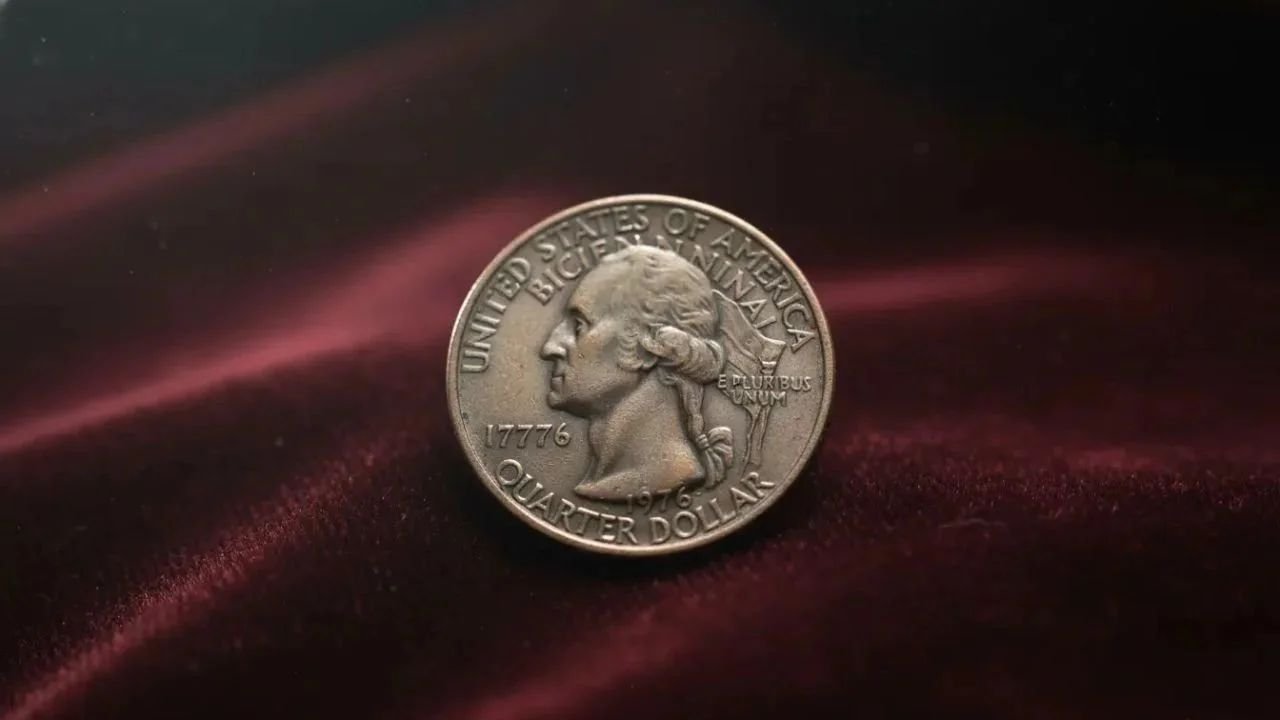
The 1776–1976 Bicentennial Quarter Coin was issued to commemorate the 200th anniversary of American independence. Instantly recognizable by its dual date and colonial drummer reverse, this coin remains one of the most iconic modern U.S. issues. While millions were produced for everyday use, certain versions, finishes, and conditions can carry meaningful premiums and remain highly desirable among collectors.
This guide explores the history, design, varieties, silver identification, value factors, grading basics, and best practices for handling and collecting Bicentennial quarters.
History and Purpose of the Bicentennial Quarter
In the mid-1970s, the United States Mint introduced special designs for the quarter, half dollar, and dollar to honor the nation’s bicentennial. Rather than issuing coins dated only 1976, the Mint chose the dual date “1776–1976” to clearly mark the historical milestone.
Production began in 1975 and continued through 1976, ensuring widespread circulation. At the same time, the Mint struck special collector versions, including proof and silver issues, which now form the foundation of Bicentennial quarter collecting.
Design Features of the 1776–1976 Bicentennial Quarter
Obverse Design
The obverse retains John Flanagan’s classic portrait of George Washington. The most notable change is the dual date “1776–1976” beneath Washington’s portrait, replacing the standard single-year date. The inscriptions “LIBERTY” and “IN GOD WE TRUST” remain unchanged, preserving continuity with earlier Washington quarters.
Reverse Design
The reverse was redesigned by Jack L. Ahr and features a colonial drummer facing left. A victory torch is encircled by 13 stars, symbolizing the original colonies. The denomination “QUARTER DOLLAR” appears beneath the design. This reverse was used only for the Bicentennial issue, making it unique within the Washington quarter series.
Mint Marks
Bicentennial quarters were struck at three U.S. mints:
Philadelphia, with no mint mark
Denver, with a “D” mint mark
San Francisco, with an “S” mint mark
San Francisco produced proof and 40% silver collector versions, while Philadelphia and Denver focused on circulation strikes.
Types of 1776–1976 Bicentennial Quarters
Regular Circulation Strikes
These copper-nickel clad quarters were minted in extremely large quantities and remain common today. Most examples found in pocket change fall into this category and are typically worth face value unless they are in exceptionally high condition or exhibit notable errors.
Collector Uncirculated Coins
The Mint issued special uncirculated collector sets featuring higher-quality strikes. These coins generally display better detail and fewer marks than circulation examples. While not rare, well-preserved pieces can carry modest premiums.
Proof Quarters
Proof Bicentennial quarters were struck using specially prepared dies and planchets, resulting in sharp details and mirror-like surfaces. These were produced exclusively for collectors, primarily at the San Francisco Mint, and are valued for their visual appeal and condition.
40% Silver Bicentennial Quarters
San Francisco also produced Bicentennial quarters containing 40% silver for collector sets. These coins were never intended for circulation but occasionally surface outside original packaging. Due to their silver content and limited distribution, they are among the most desirable Bicentennial quarters.
How to Identify a 40% Silver Bicentennial Quarter
Identifying a silver Bicentennial quarter requires more than checking the date alone.
Look for an “S” mint mark beneath Washington’s portrait
Check the edge for a more uniform gray color with minimal copper visible
Weigh the coin, as silver versions are slightly heavier than clad quarters
Review original packaging if available, as collector sets are clearly labeled
Listen carefully when gently tapped on a soft surface, as silver produces a distinct ring
If uncertainty remains, professional verification is recommended.
Value Factors That Affect Bicentennial Quarter Prices
Most Bicentennial quarters are common, but several factors can significantly influence value.
Condition and Grade
Coins with minimal wear, strong luster, and clean surfaces are more desirable. Proof and uncirculated coins benefit most from careful preservation, while heavily worn examples typically carry little premium.
Composition
40% silver Bicentennial quarters are worth more than copper-nickel clad versions due to their precious metal content alone, regardless of condition.
Mint Mark
San Francisco issues, particularly silver proofs, are generally more valuable than circulation strikes from Philadelphia or Denver.
Errors and Varieties
Coins with genuine mint errors such as off-center strikes, double strikes, missing clad layers, or major die breaks can command significant premiums when authenticated.
Basic Grading Tips for Collectors
Use a 5x–10x magnifier to examine high points such as Washington’s hair and the drummer’s details
Look for original luster and avoid coins with dull or heavily scratched surfaces
Compare your coin to grading images from reputable sources to estimate condition accurately
When value is uncertain or potentially high, professional grading provides clarity and credibility
How to Handle and Store Bicentennial Quarters
Proper handling and storage are essential to preserving value.
Handle coins only by the edges to avoid fingerprints
Store coins in non-PVC holders, archival flips, or acid-free albums
Never clean or polish coins, as this permanently damages surfaces
For valuable examples, consider third-party grading for protection and authentication
Example: Evaluating a Bicentennial Quarter Found in Change
If you find a Bicentennial quarter and wonder whether it might be valuable, follow a careful process.
Confirm the dual date “1776–1976”
Check the mint mark beneath Washington’s portrait
Inspect the edge and weight for signs of silver composition
Examine overall condition and look for obvious errors
If the coin appears unusual or exceptionally well preserved, limit handling and consult a professional dealer or grading service.
Buying and Selling Bicentennial Quarters
When buying, prioritize coins with original packaging, clear grading, or established provenance. Purchase from reputable dealers or trusted auction platforms.
When selling, seek multiple opinions and consider professional grading for higher-end pieces. Clear photographs, accurate descriptions, and proper documentation help maximize value and buyer confidence.
Final Thoughts
The 1776–1976 Bicentennial Quarter remains a cornerstone of modern U.S. coin collecting. While most examples are common, proof issues, 40% silver versions, pristine uncirculated coins, and authenticated errors can hold meaningful value. By understanding the coin’s history, varieties, grading standards, and proper care techniques, collectors can confidently evaluate and preserve these historic quarters for years to come.